Dragana Milovic & Vojna Casteel
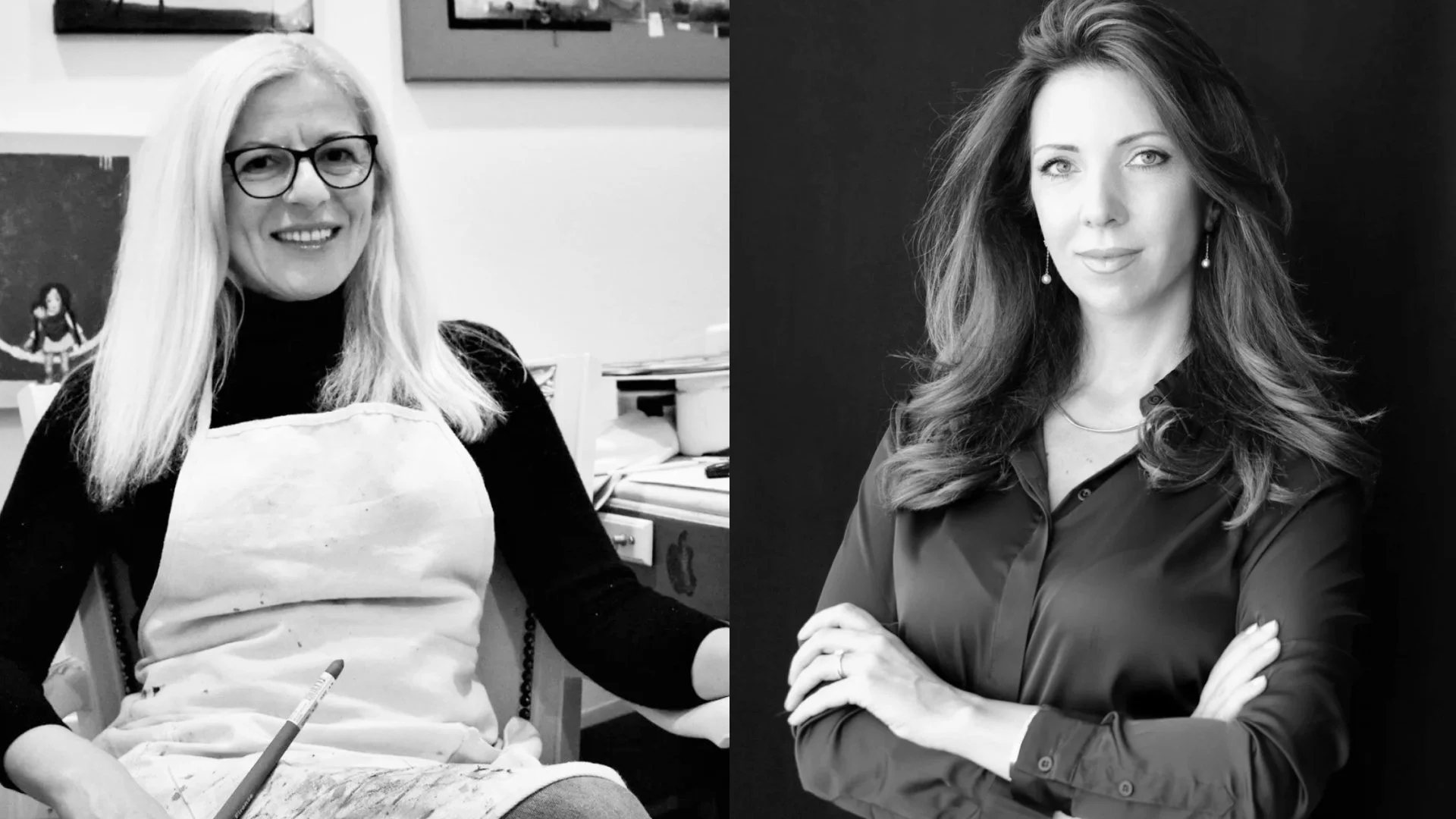
Dragana Milovic & Vojna Bastovanovic Casteel
In a world filled with chaos and uncertainty, artists Dragana Milovic and Vojna Bastovanovic Casteel’s ability to approach creation from a place of love is inspiring. Though their visual languages differ, both use love as the foundation of their art and view it as a necessary response to the complexity of contemporary life.
1515 Lincoln Gallery recently had the pleasure of speaking with Milovic and Casteel to understand how they use it as a way to stay present in the world rather than retreat from it, and what they hope others take away from their work.
Love as the Foundation of Creative Practice
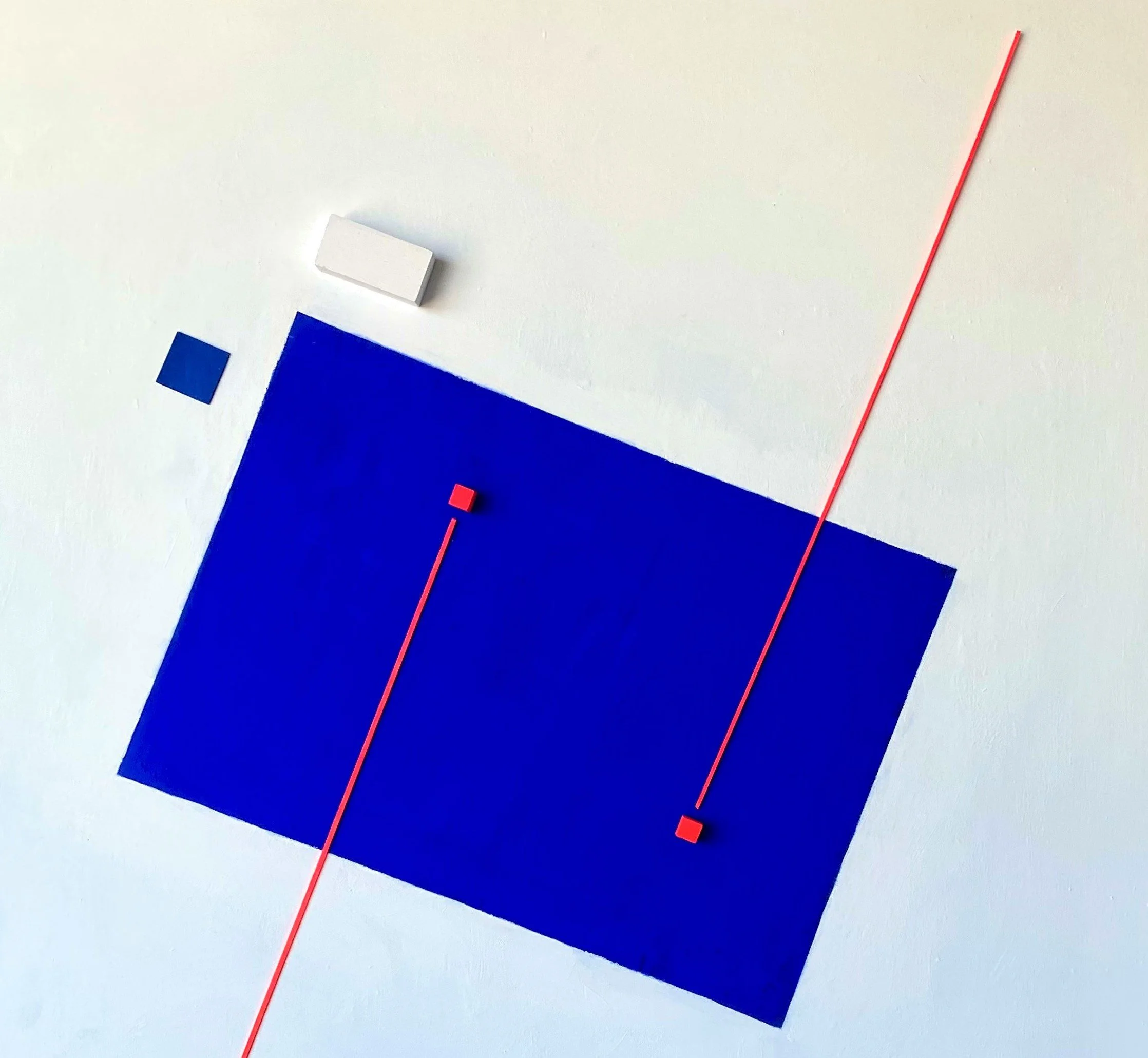
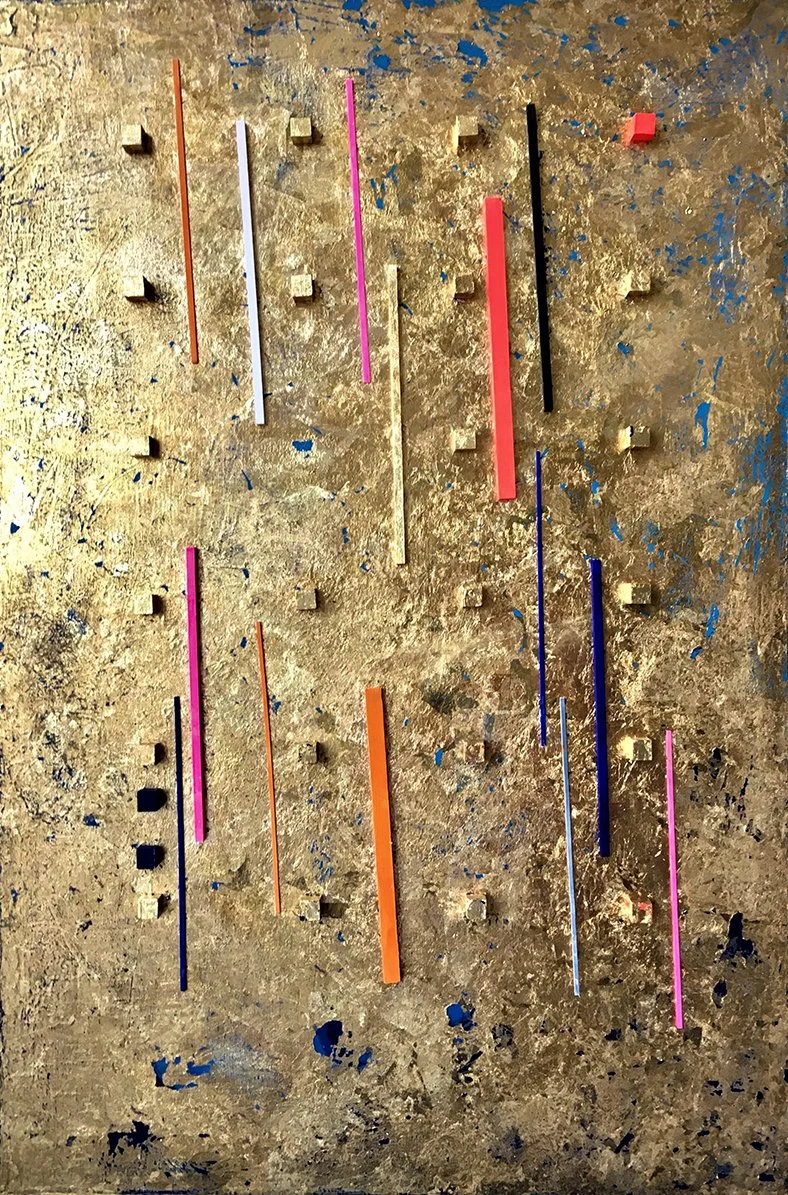
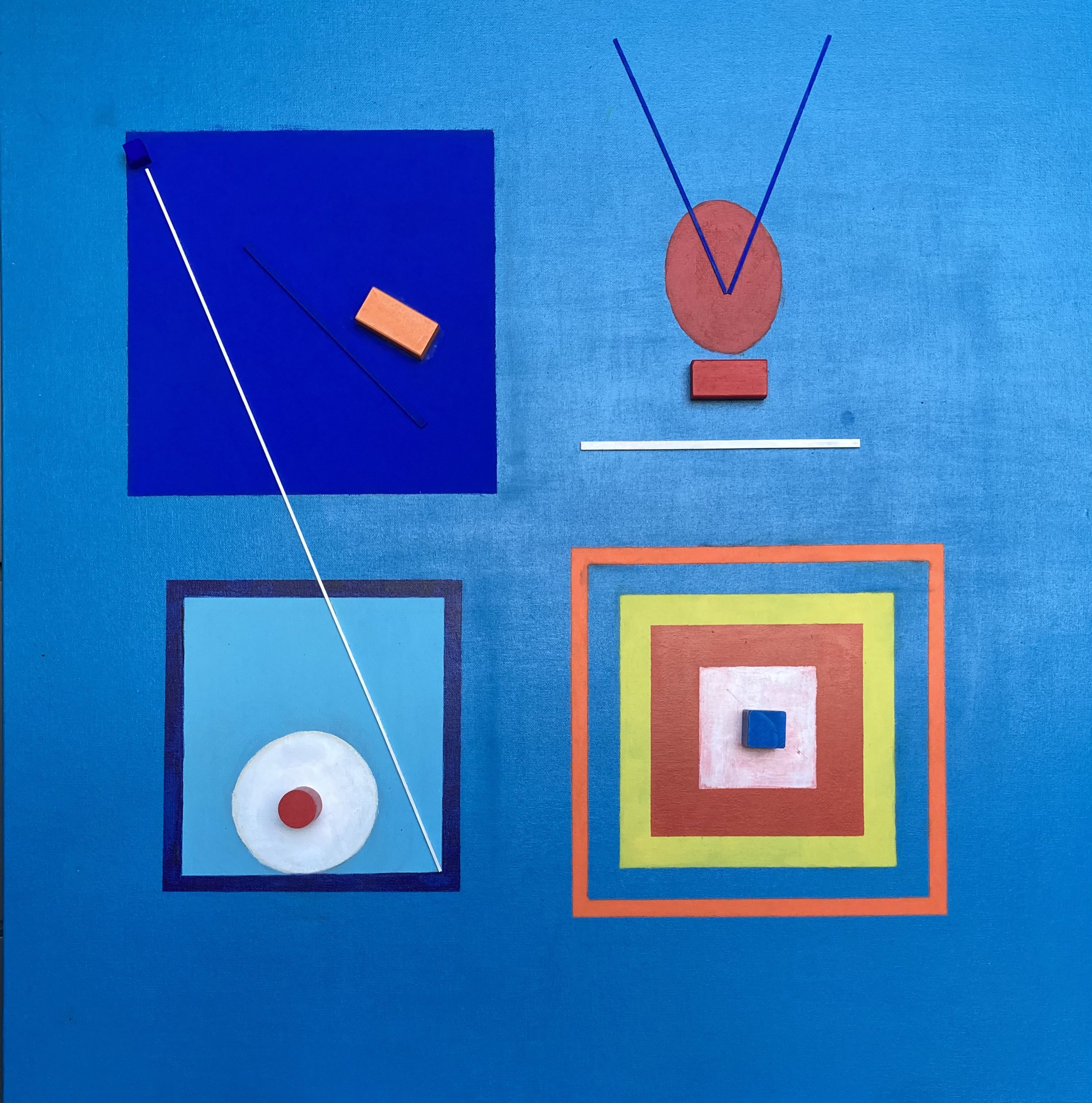
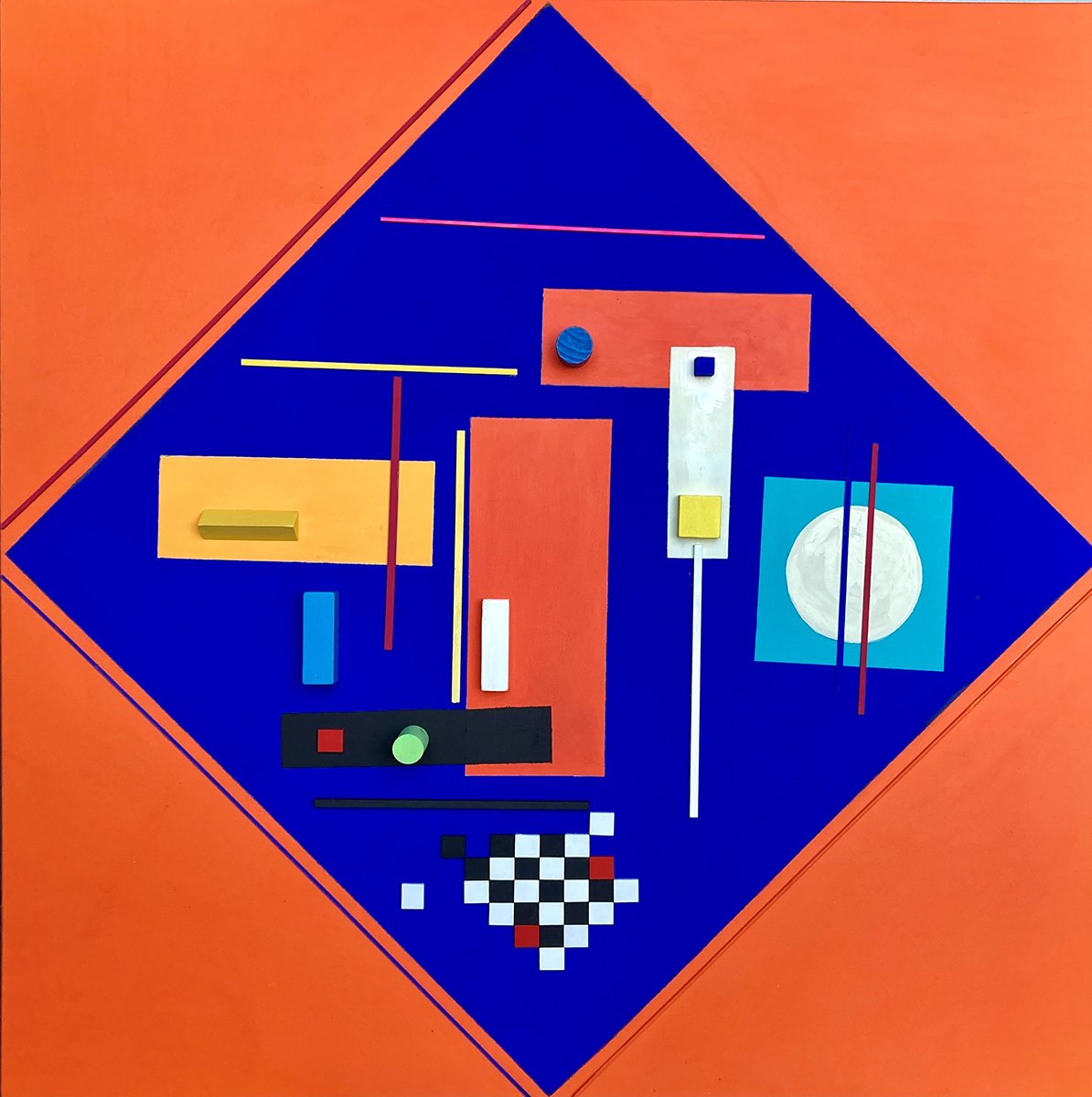
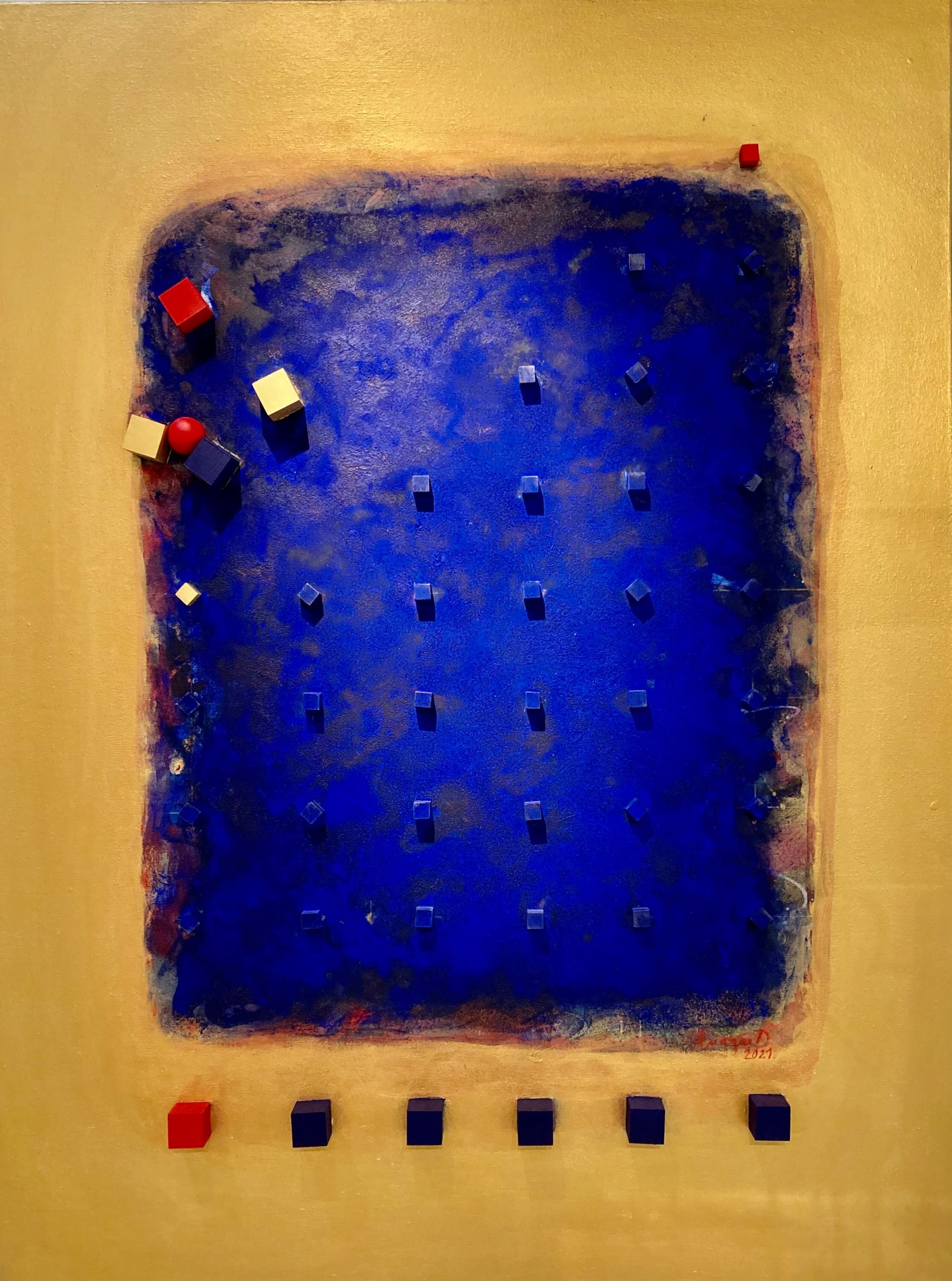
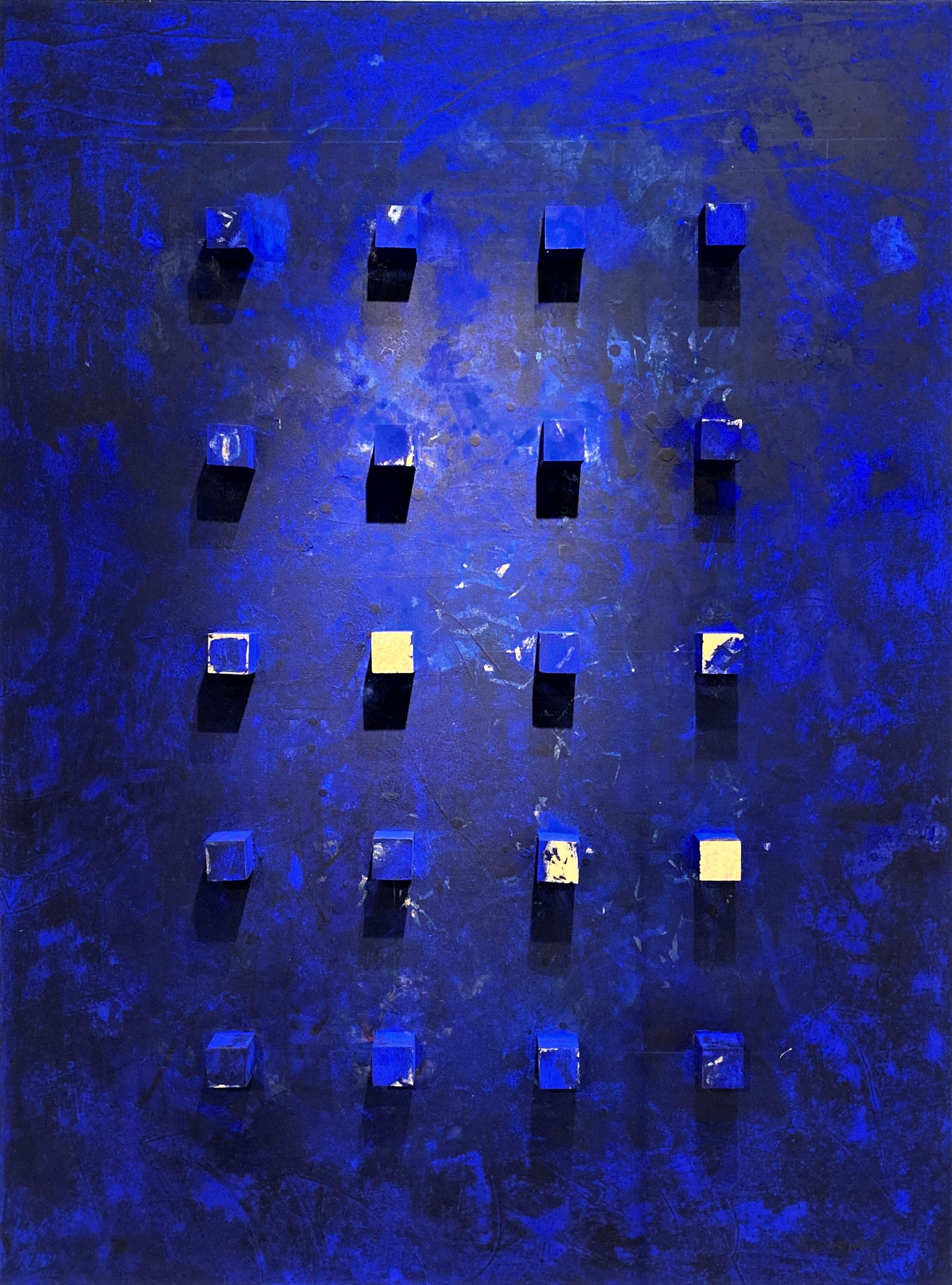
For Milovic, love is inseparable from the act of creation. She describes it as “the essence of life, a force that shapes our identity, liberating us not only emotionally but also helping us create the foundations of freedom and understanding the world.” Emotion is transformed through color and form, becoming energy rather than narrative. Love, she explains, “becomes unavoidable, and it is the goal and meaning of my work.”
Milovic’s process is guided by openness and transformation. She says, “Love is the guide, the way I approach creation, passionately and spontaneously, with openness to transformation.” Intimacy, tension, desire, and tenderness coexist in her compositions, creating space for unpredictability and mystery, which she considers essential to both art and lived experience.
By merging emotion with material, her work moves beyond object and image, offering what she describes as “a spirituality that invites sensitive observers to interact with it.”
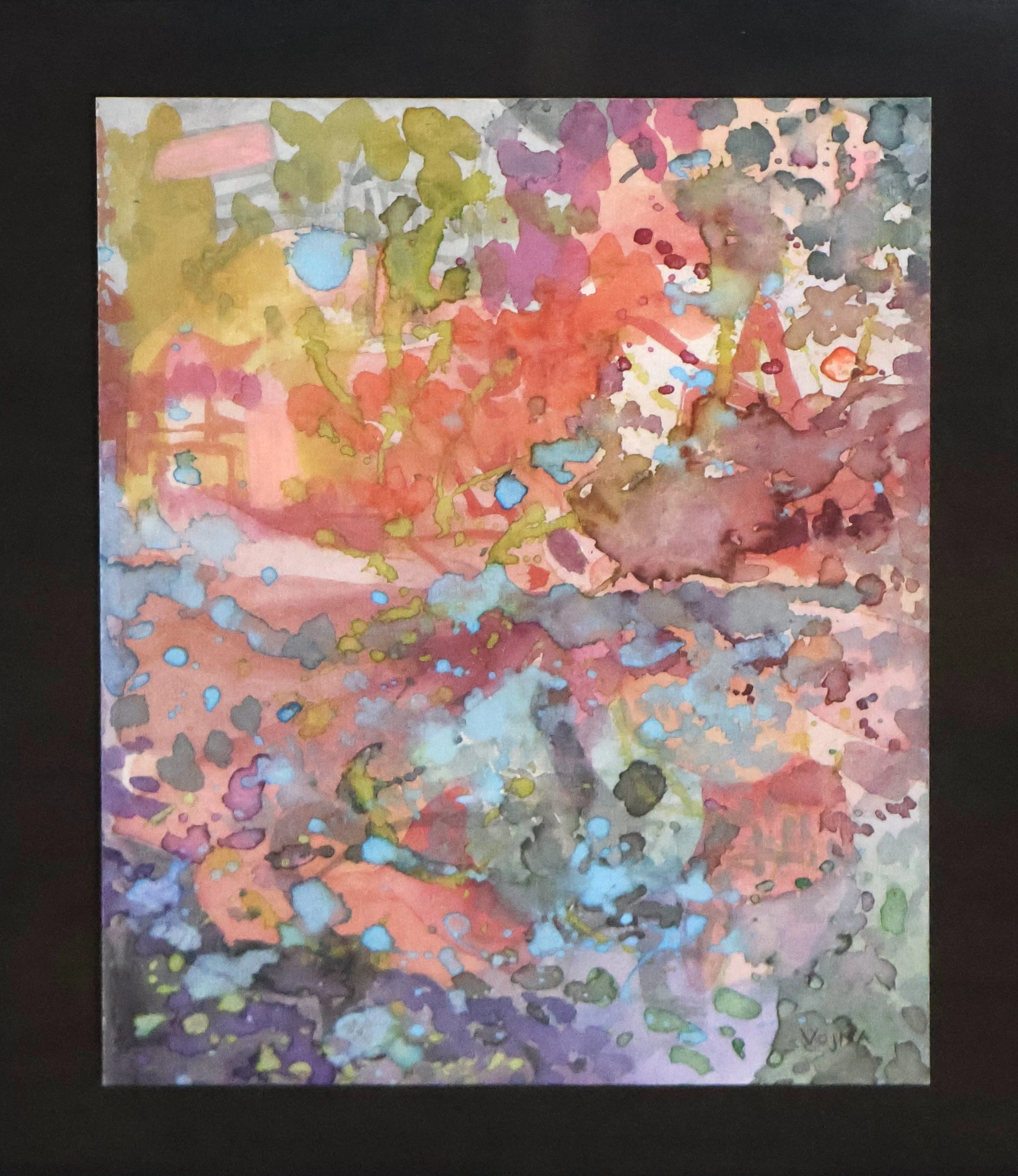
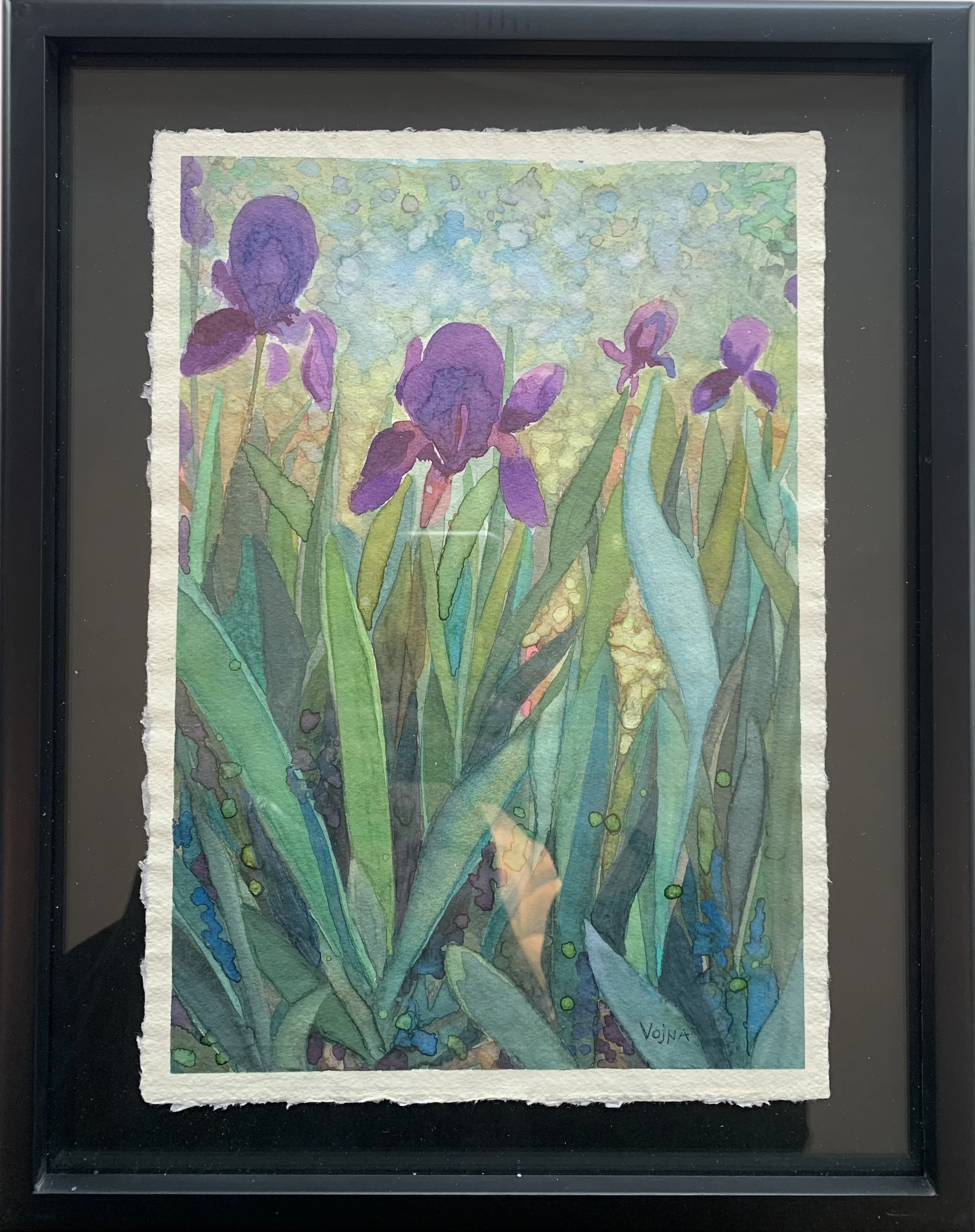
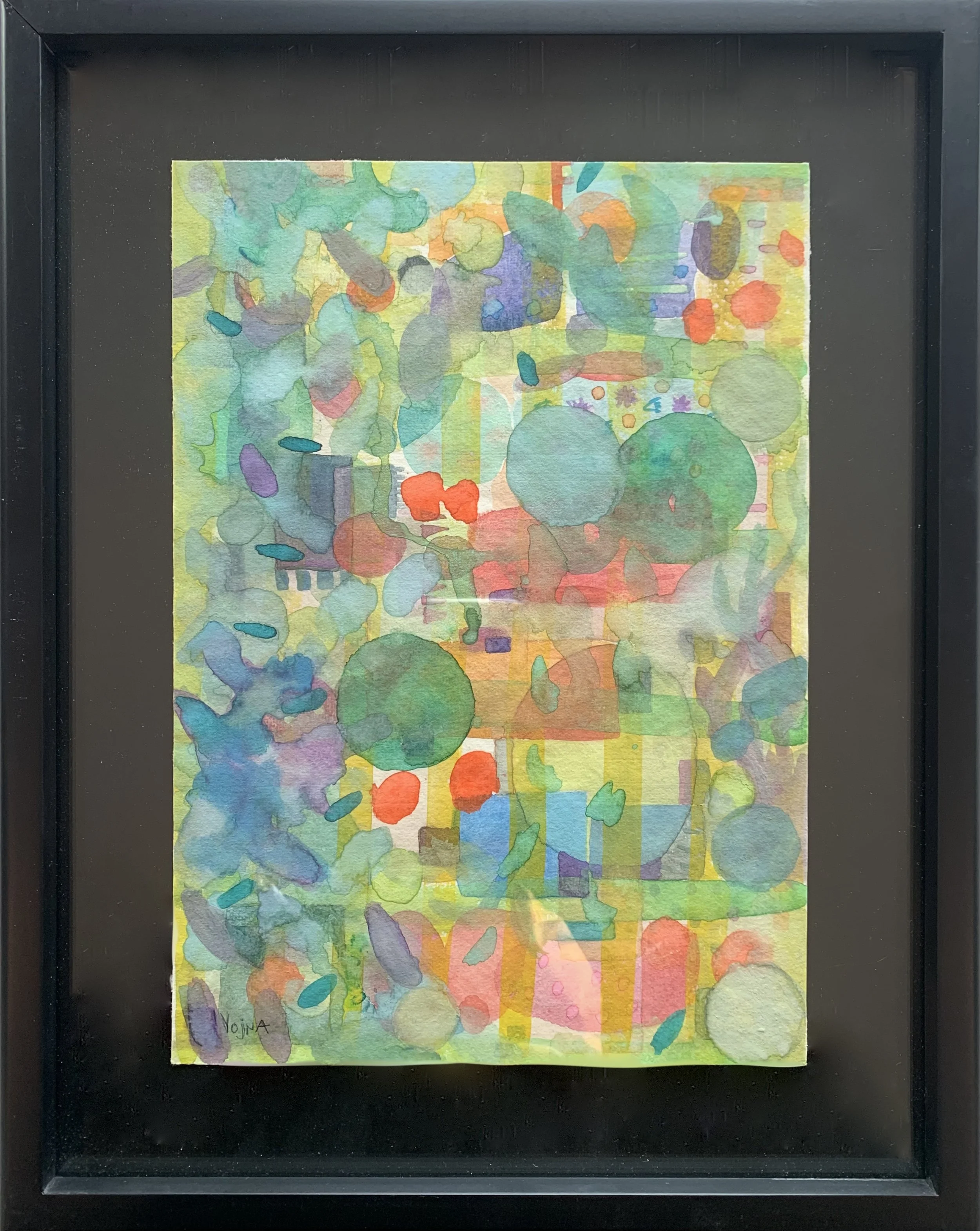
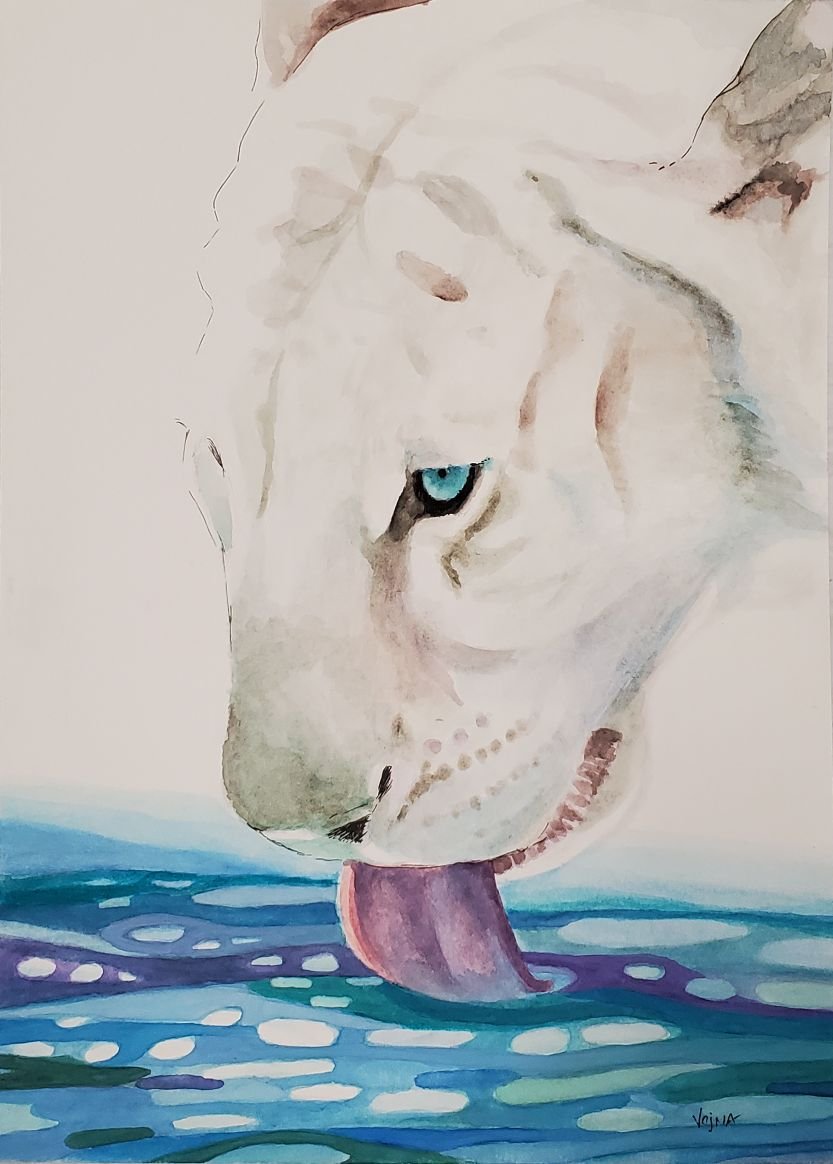
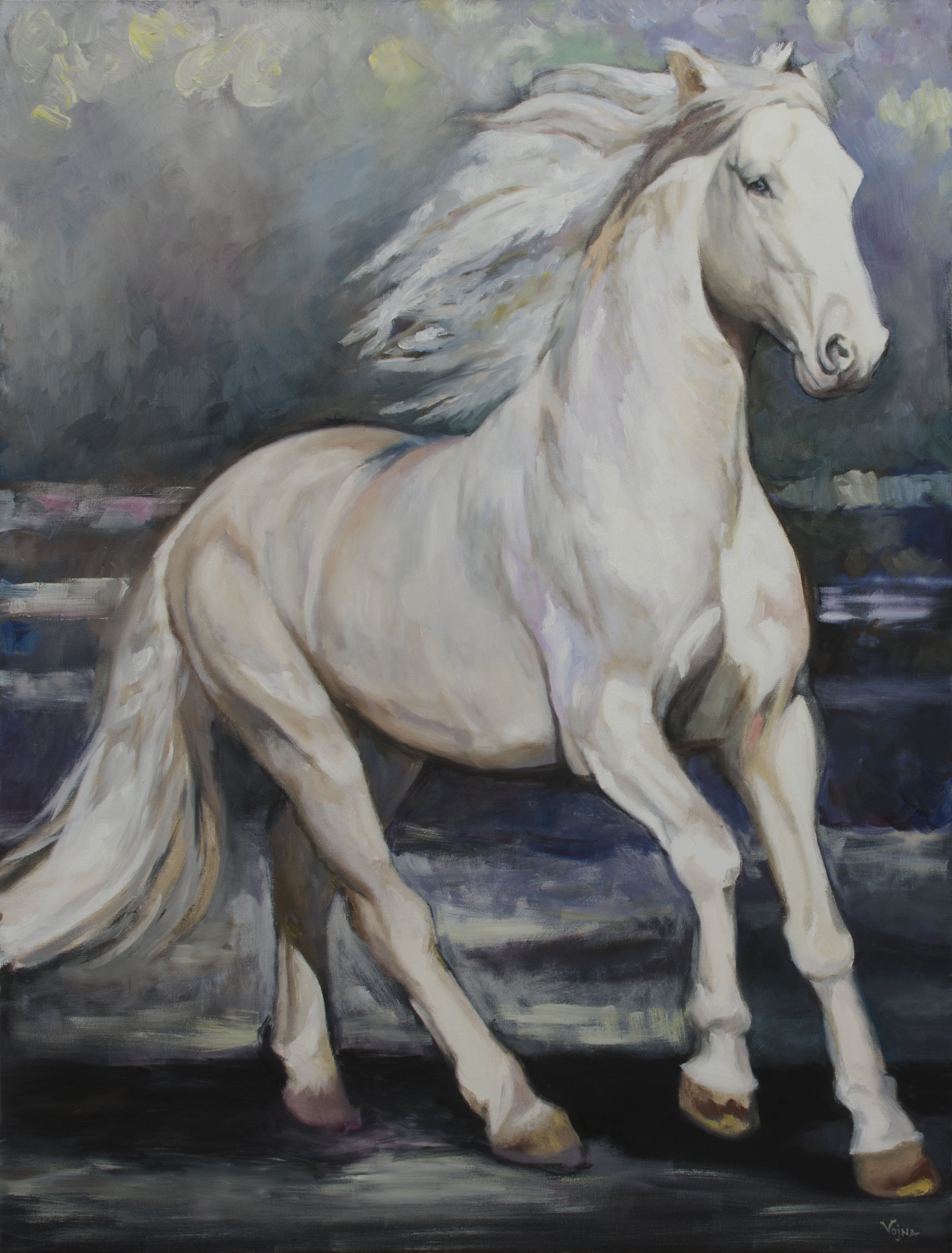
While love is equally central to Casteel’s work, it’s expressed through a quieter lens. “If art gives shape to inner experience, then love may be the most profound terrain that I can explore,” she explains. Describing love as “an existential necessity,” Casteel approaches painting and drawing as a way to preserve what might otherwise go unnoticed.
“By freezing a moment through painting or drawing, I try to suspend time itself. This preserves what would otherwise be fleeting,” she says.
Art as Stability in Times of Uncertainty
In moments of social, political, or even personal instability, both artists describe art as a stabilizing force, one that allows us to confront uncertainty directly rather than avoid it.
Milovic uses art as “both an anchor and a compass,” a place where the world’s noise can be slowed and examined. Creating becomes a way of thinking, one that allows all types of emotions – fear, sadness, hope – to be transformed into form.
“Creating a work of art gives me a sense that uncertainty is not necessarily a failure to understand a situation and that it needs to be responded to with attention and imagination, not withdrawal or fear,” she explains.
Art also has the power to reinforce connection. “Creating a work of art in such moments confirms that I am not alone in feelings of fear or uncertainty,” Milovic goes on, describing creation as “both a refuge and a responsibility – a way to take care of myself while remaining open to others and to the possibility of change.”
Casteel describes art as a space for personal discovery and growth. “Through art, I meet emotions and thoughts that dwell beneath conscious awareness,” she shares. “These moments become precious discoveries. They reveal a deeper understanding of who I am and guide me to the future.”
Art as Vulnerability in Material Form
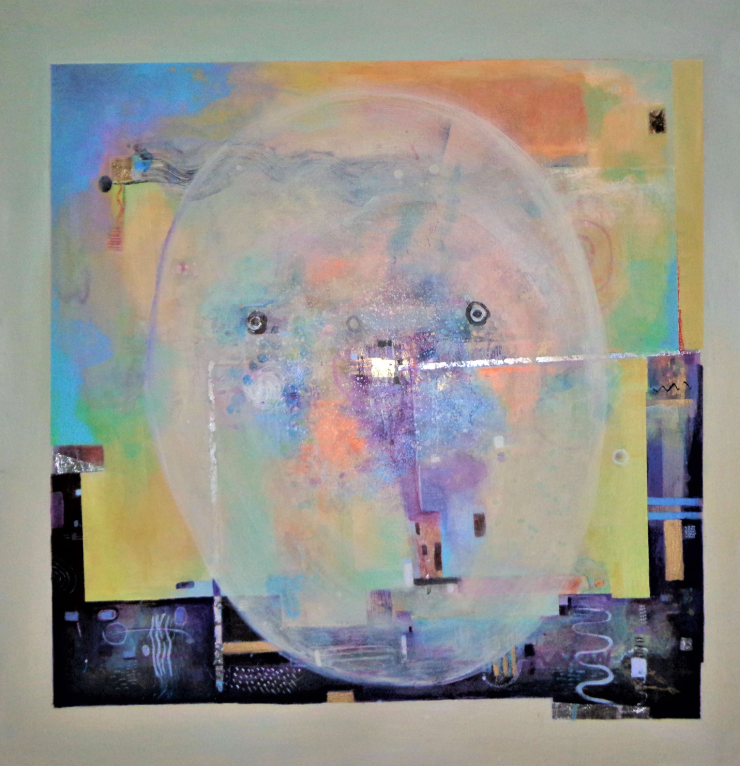
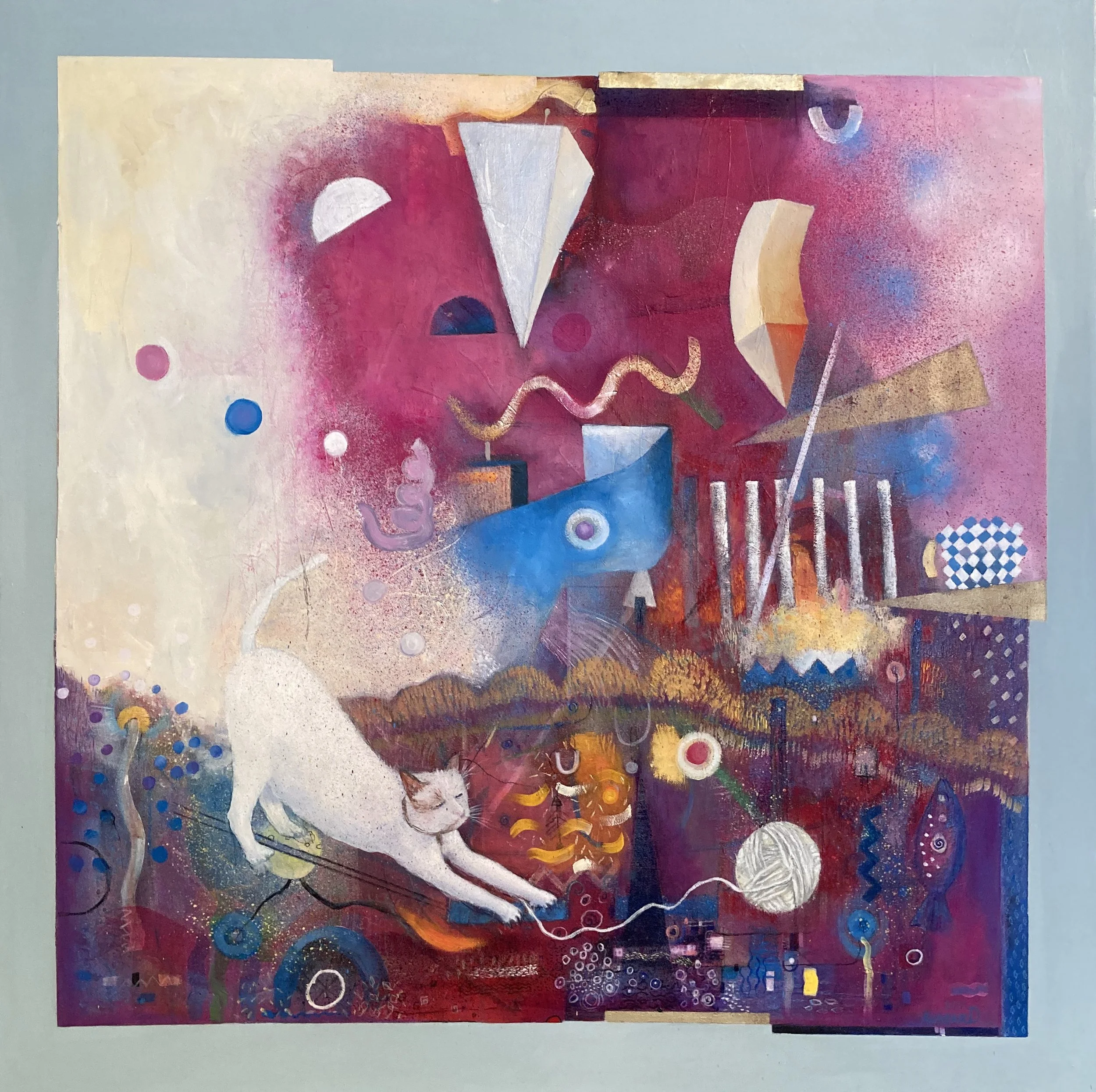
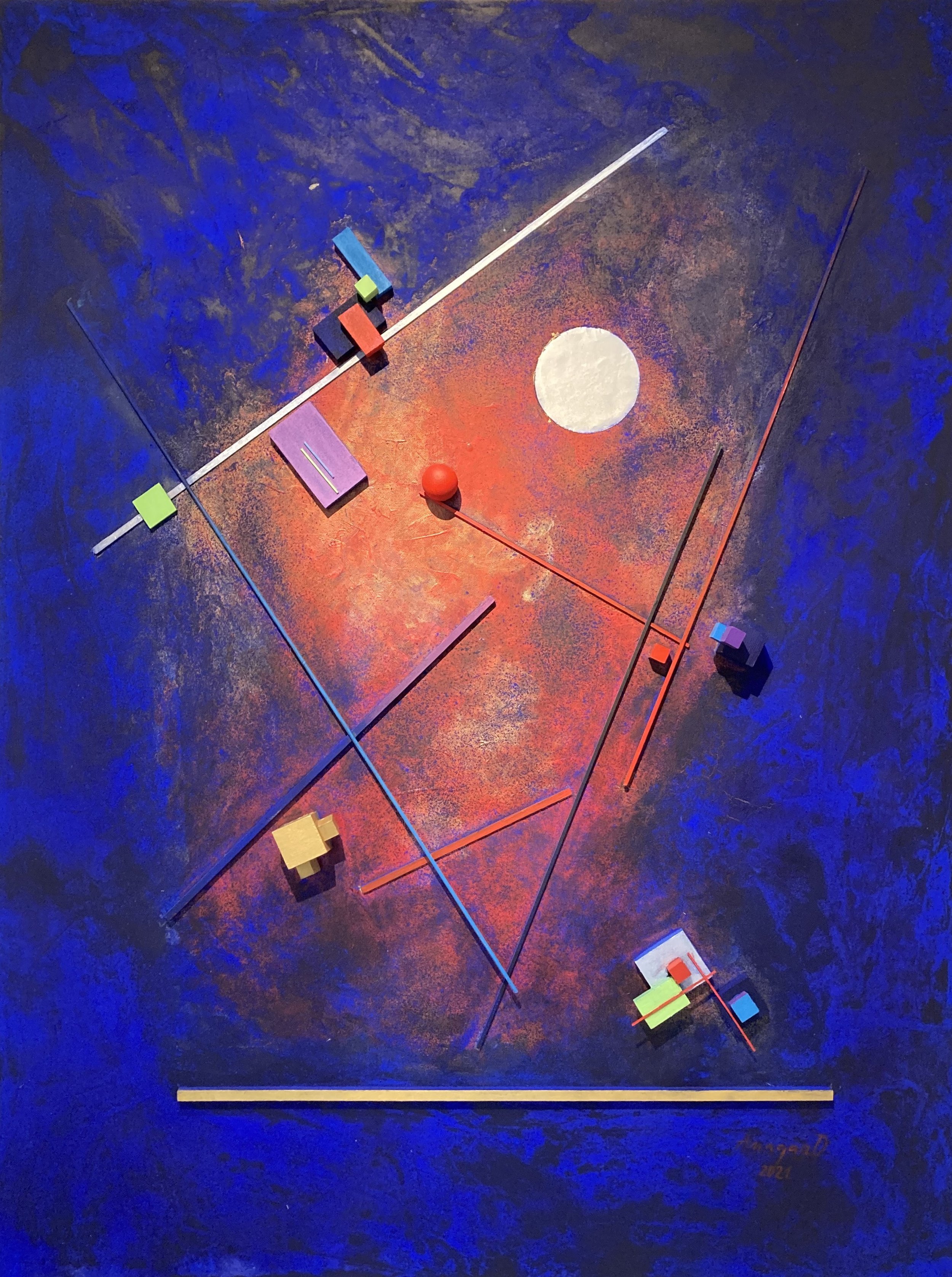
Emotions and vulnerability surface in both artists’ work, though through different visual strategies. Milovic works primarily in abstraction, creating “thoughts and emotions through color and shape,” allowing feeling to exist without narrative. She sometimes includes figures, portraits, birds, or animals in her compositions, shifting meaning and rhythm.
Milovic sees vulnerability as inherent to her work, something that “a sensitive observer of similar life experiences can see, analyze, and compare with their own.” Meanwhile, care is reflected in “the patience and dedication with which I transfer my skills and feelings into the material.”
Casteel describes vulnerability as something that emerges less through the subject and more through sensation: “Sometimes these things emerge directly through the subject itself, but more often they are conveyed through different elements such as the colors I use, the movement of shapes, the overall impression or sensation, and the mood the work leaves behind.”
Transformative Power of Art
Art has played an important role in helping Milovic process personal loss. Recalling the day she lost her mother, she describes turning to painting as a means of survival. “After packing and securing a ticket for the next day, I felt the need to paint,” she shares. “I painted all night, thinking about the most beautiful moments I had shared with my mother. Painting became a form of recovery — it helped me get through the hardest day of my life.”
Casteel turns to others' work for comfort in art, citing Yoann Bourgeois as an example, “His mesmerizing loops of falling and returning remind me that others share similar struggles and that there is always a way of rising again.”
Belonging and Community at 1515
Love is about community, and Milovic and Casteel both emphasized the importance of their creative circle in their professional and personal lives, including the one they’ve cultivated at 1515.
“I have spent five years in Oklahoma City and have been a part of 1515 Lincoln Gallery almost since its inception, having had the honor of showcasing my work at this gallery through solo and group exhibitions, as well as through the gallery’s website and various online art platforms,” Milovic shares. “This relationship has helped me tremendously, giving me the confidence and belief that my paintings have value to art lovers, and also letting me know that my colleagues appreciate what I do.”
Milovic credits 1515 founder Susan McCalmont’s “genuine care and belief in each artist she represents.” “She provides a space and opportunity for hard-working and talented artists to showcase their work through carefully curated exhibitions.”
Casteel appreciates the gallery’s shared values. “I like that 1515 Lincoln Gallery embraces different perspectives,” she says. “It brings together artists from different sides of the world. It's a place where everyone can feel a genuine sense of belonging.”
When asked what they hope viewers of their art will take away, both Milovic and Casteel expressed a wish for a reunion with love. Milovic hopes those who engage with her work “will feel joy and connection” and be compelled to return. For Casteel, her hope is simple but powerful: “Fulfillment and love for life.”
To explore the power of art in all its forms and learn more about Casteel and Milovic’s work, we encourage you to stop by 1515 Lincoln Gallery in Oklahoma City or explore our website for more information.
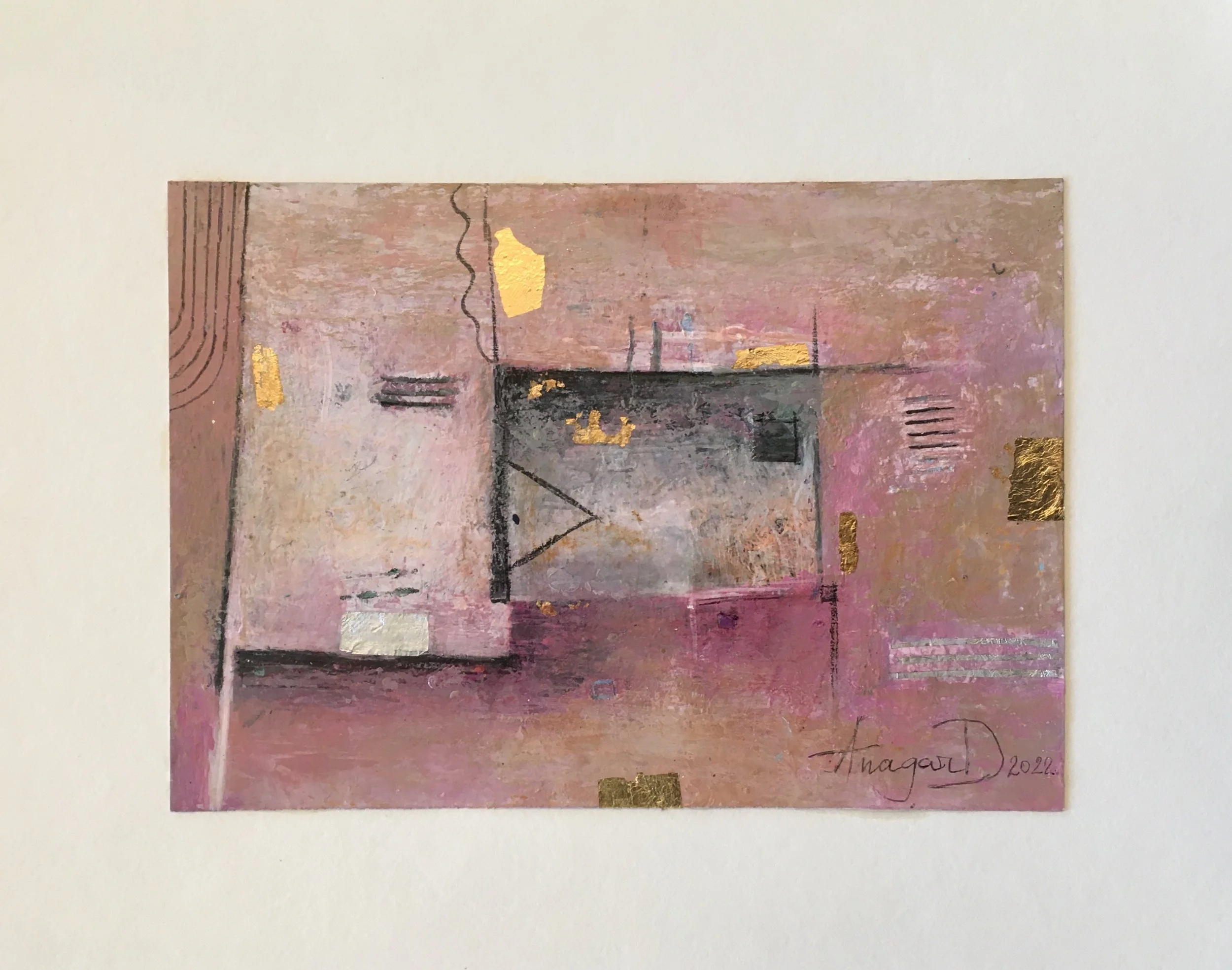
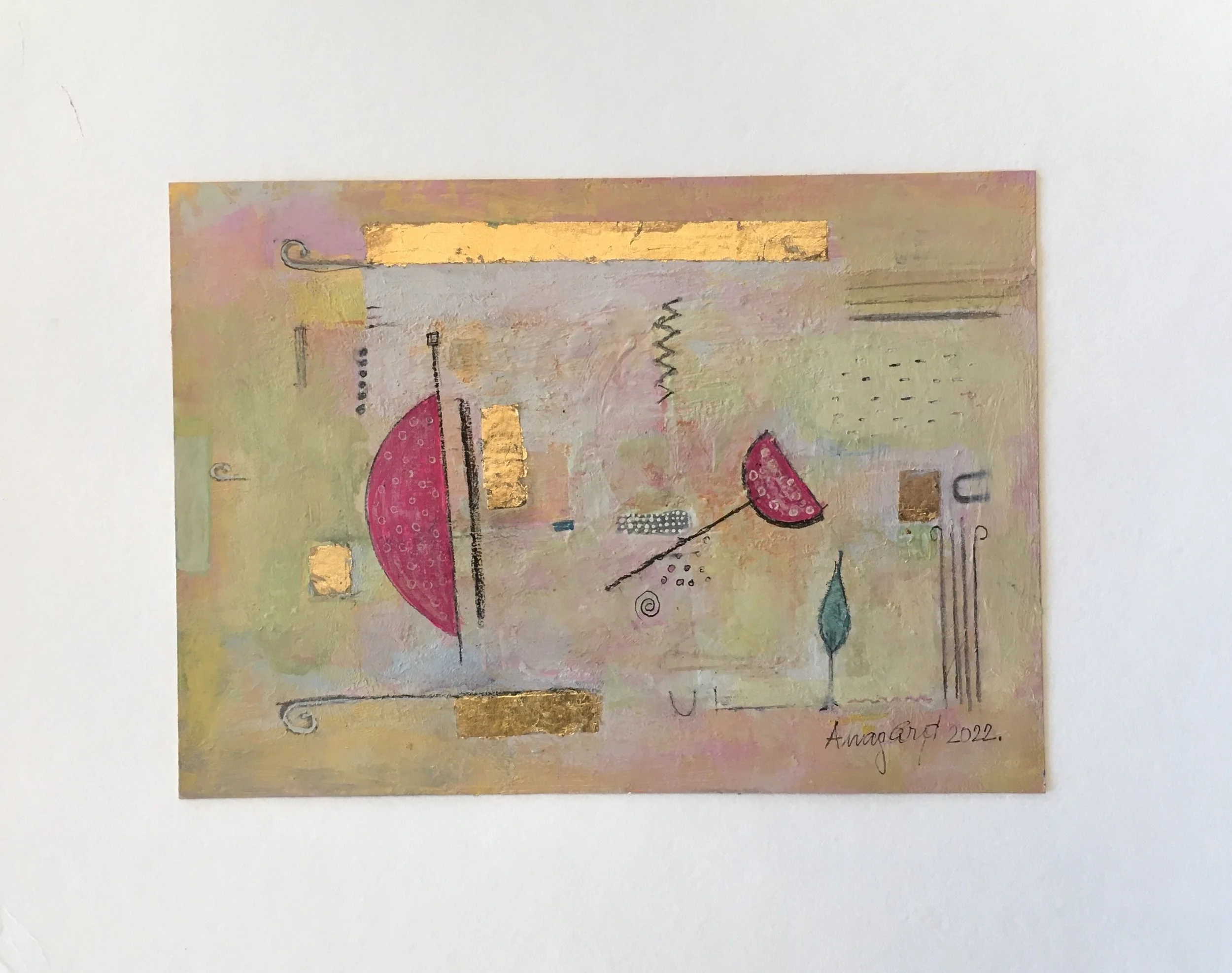
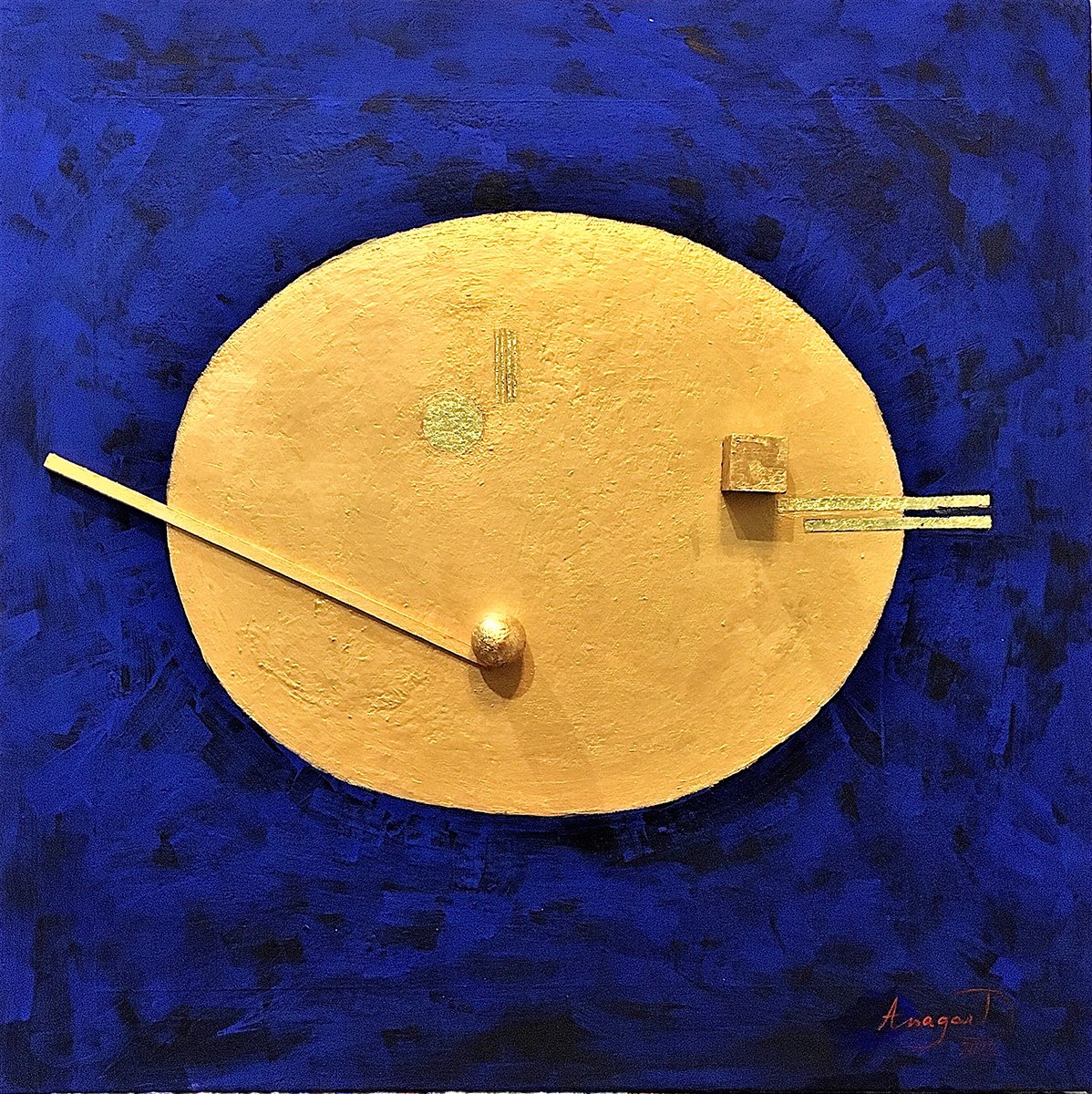




By Dragana Milovic
Visit artist’s page
Mixed media on canvas
Size: 48 x 34 x 3.25 in
Inquire about this work